Encyclopedia of God's Generals
Charles Wesley
1707–1788
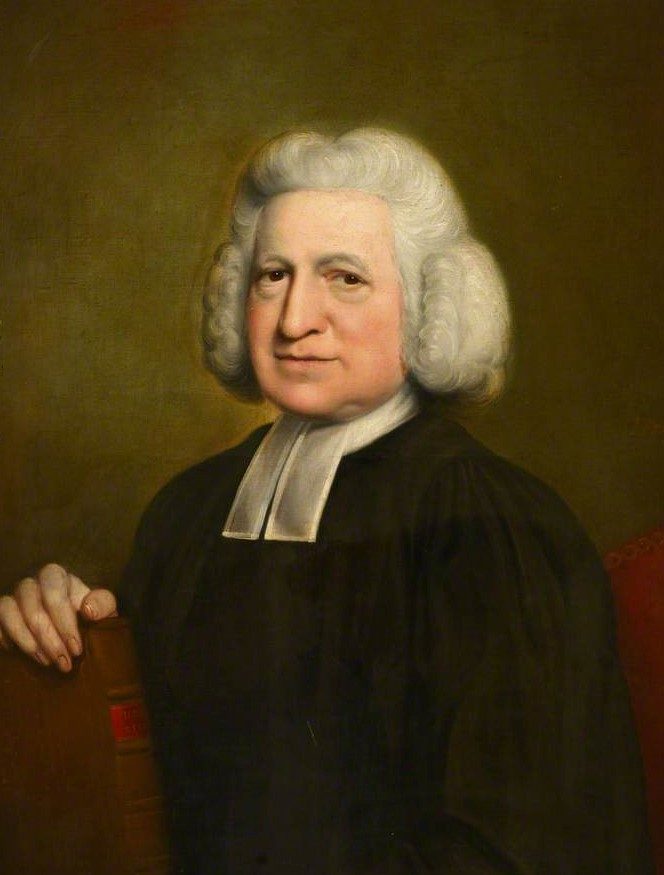
Portrait of Charles Wesley by John Russell, exhibited at the Royal Academy in 1771, John Wesley's House and the Museum of Methodism. Public domain.
Charles Wesley was an English clergyman, poet and hymn writer who, with his elder brother John, began the Methodist movement in the Church of England and became the principal hymn writer of the Methodist revival.
Life and ministry
Born at Epworth, Lincolnshire, on 18 December 1707, Charles Wesley studied at Westminster School and Christ Church, Oxford, where he helped form the Holy Club, a group known for methodical devotion and study. He travelled with John to Georgia in 1735, came to a settled assurance of salvation in May 1738, days before his brother, and then preached across Britain and Ireland, often in the open air, for nearly two decades before settling in Bristol and later London.
Challenges faced
Charles Wesley faced disagreement with his brother John on several matters, including John's intended marriage and the organisation of the Methodist societies, and he withdrew from active leadership in later years. He also knew family sorrow: of the eight children born to him and his wife Sarah Gwynne, whom he married in 1749, only two sons and a daughter survived.
Great things God did
Charles Wesley published more than 4,500 hymns, with about 3,000 more left in manuscript, including Hark, the Herald Angels Sing, Love Divine, All Loves Excelling, Christ the Lord Is Risen Today and And Can It Be. His hymns turned gospel truth into song that ordinary people could remember and sing, and they became a lasting means of evangelism and worship in Methodism and beyond; he died in London on 29 March 1788.
Lessons for us
Let truth become song, so that people carry it with them.,Write and speak of Christ in words ordinary people can understand.,Keep serving faithfully even when you disagree with those closest to you.
A challenge to this generation
Our generation can learn from Charles Wesley to give the church songs that are rich in Scripture and clear about Christ, and to use music not for show but to teach, comfort and call people to faith.
Sources: Based on Roberts Liardon, God's Generals: The Revivalists (Whitaker House, 2008), corroborated by Encyclopaedia Britannica, the BiblicalTraining Library and Hymnary.org.
Open Destiny & Purpose